
LASIK is one of the safest and most studied elective procedures in modern medicine, with millions of successful outcomes behind it. Once most people realize the facts of the procedure many of their initial concerns fade. Yet plenty of people who would love life without glasses never get that far, because of outdated myths and misconceptions about the procedure.
Here are seven of the most common myths about LASIK, and what is actually true today.
1. LASIK Is Painful

This is the fear that stops most people from moving forward with LASIK.
The idea of a laser near an open eye sounds like it should hurt, so the imagination fills in the rest. In reality, numbing drops are placed in the eye before the procedure even begins, and they take away nearly all of the sensations of the procedure itself.
Most patients describe a few seconds of mild pressure rather than pain, and feeling dampness when drops are put in. The laser portion that reshapes the cornea takes only seconds per eye. Afterward, there can be some grittiness or watering for a few hours, similar to having an eyelash stuck under the lid, and that fades quickly with rest.
2. The Results Do Not Last
A common worry is that the correction wears off and you end up back in glasses anyway, which makes the whole effort feel pointless. LASIK works by reshaping the cornea, and that change is permanent. The vision you gain does not slowly drain away.
However, the eye still ages like the rest of the body. Around the mid-forties, the lens inside the eye stiffens and near vision becomes harder, which is why many people who never wore glasses suddenly need readers. That change is a separate process from the nearsightedness or astigmatism LASIK corrected, not a failed procedure. Knowing the difference between surgery results and the natural aging of the eye is the key to having realistic expectations.
3. My Prescription Is Too High or My Corneas Are Too Thin
This is the myth that makes people disqualify themselves without ever being examined. They heard a number once, decided they were out of the running, and stopped looking into it.
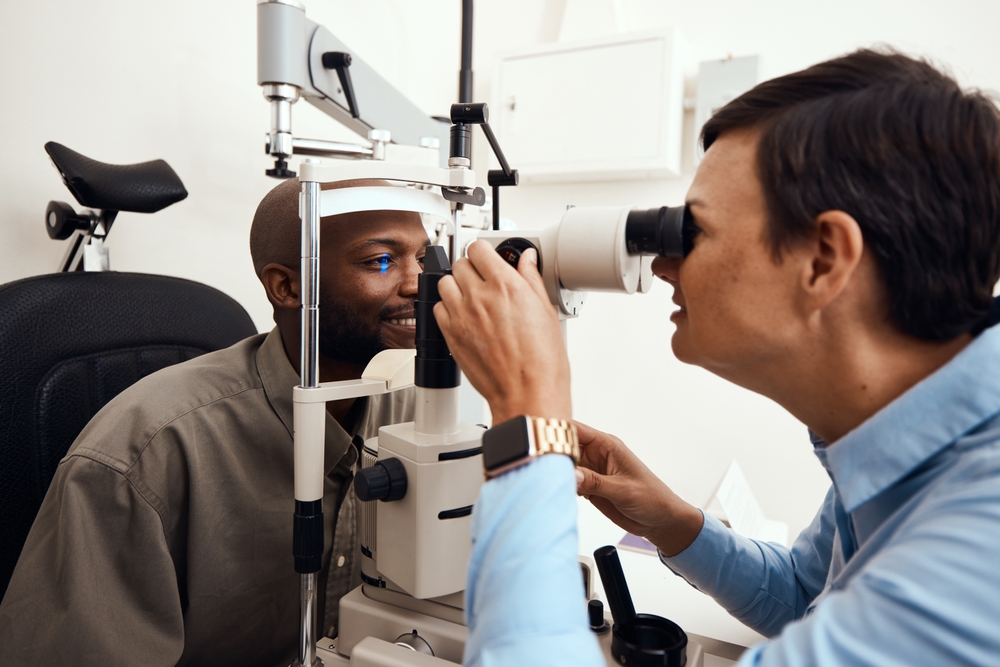
Candidacy is not something you can judge from your prescription alone. It depends on corneal thickness, the stability of your prescription, your eye health, and several measurements that can only come from a real evaluation. Some people who assume they qualify do not, and some who assume they are hopeless turn out to be excellent candidates. The only way to know is to find out whether you are a candidate through a proper screening.
And if LASIK truly is not the right fit, that is not the end of the conversation, because there are other vision correction options designed for exactly those situations.
4. LASIK Is Too New to Trust
LASIK has been performed for decades and is one of the most studied elective procedures in medicine. It has also been refined steadily over millions of cases.
The technology has moved well beyond its early days. Modern procedures use blade-free laser technology to create the corneal flap, replacing the handheld blade that older methods relied on. That shift added precision and consistency to a step that used to depend heavily on technique. The version of LASIK available now is not the version your relative may have described from twenty years ago.
5. Something Could Go Wrong if I Move During Surgery
Being awake for eye surgery unsettles a lot of people. The natural fear is that one twitch or sneeze could ruin the outcome. The lasers used for LASIK include eye-tracking systems that follow tiny eye movements hundreds of times per second and adjust in real time. If the eye drifts too far, the laser simply pauses and waits until alignment returns. Your eyelids are also gently held in position, and the surgeon is guiding the entire process. The system is built around the fact that human eyes make small movements, so a normal blink reflex or a moment of nerves is not the disaster people imagine.
6. It Costs Too Much to Be Worth It
The price of LASIK can sound steep when you hear it as a single number. That number looks different next to what glasses and contacts actually cost over a lifetime. Frames, lens upgrades, replacement contacts, solution, exams, and the occasional emergency backup pair add up year after year, quietly and indefinitely. LASIK is a one-time investment that ends most of that ongoing spending.
Many patients are also surprised to learn that financing makes the cost of LASIK manageable as a monthly payment rather than a lump sum. When you compare the full picture instead of the sticker price, the math often favors surgery.
7. LASIK Is the Only Vision Correction Option
When someone decides LASIK is not for them, they often assume surgery in general is off the table and resign themselves to glasses. That assumption skips over a whole category of alternatives.
For people with high prescriptions or thinner corneas, the EVO Implantable Collamer Lens offers correction without reshaping the cornea at all, placing a thin lens inside the eye instead.
For people in their forties and fifties frustrated mainly by reading glasses, near vision correction addresses the up-close blur that LASIK is not designed to fix. Ruling out one procedure does not mean ruling out clear vision.
What an Honest LASIK Evaluation Actually Tells You

A thorough evaluation replaces all this secondhand information with real measurements and a straight answer about what your eyes can and cannot do. Sometimes that answer is LASIK. Sometimes it is a different procedure. Sometimes it is staying in glasses for now, with a clear reason why. What you get either way is certainty, which is worth far more than a rumor you have been carrying around for years. The experienced surgeons at Williamson Eye Center can tell you where you actually stand in a single visit.
Wondering whether the reason you still wear glasses is a myth or a real limitation? Schedule an appointment at Williamson Eye Center in Baton Rouge, LA.