
Diabetes is one of the leading causes of vision loss in adults, yet most people with the condition have no idea their eyes are being affected until meaningful damage has already occurred. Whether you have Type 1, Type 2, or gestational diabetes, your eyes are at risk in ways that go far beyond needing a stronger glasses prescription. The encouraging reality is that vision loss from diabetes is largely preventable, but only if you know what you’re up against and take consistent action.
What Diabetes Actually Does to Your Eyes

To protect your vision, it helps to understand the mechanism behind the damage. When blood sugar levels stay elevated over time, the tiny blood vessels throughout your body begin to weaken and break down. The blood vessels in your retina, the light-sensitive tissue lining the back of your eye, are especially vulnerable.
As those vessels deteriorate, they can leak fluid and blood into the retina, a condition called diabetic retinopathy. Over time, the disease can progress, causing the body to grow new, fragile blood vessels that are prone to leaking.
When fluid specifically accumulates near the macula, the area of the retina responsible for sharp central vision, it creates a secondary complication called macular edema, which causes blurred and fluctuating vision. Left unmanaged, these processes can permanently destroy retinal tissue.
Why You May Not Notice Anything Until It’s Too Late
This is where diabetic eye disease becomes particularly dangerous. In the early stages, there are typically no symptoms at all. No pain, no obvious blurring, no warning sign that anything is wrong inside your eyes. By the time vision changes become noticeable, the damage is often well advanced. Damage that builds silently over months or years can reach an irreversible point before a patient ever schedules an exam.
Other Eye Conditions Linked to Diabetes
Diabetic retinopathy gets the most attention, but it isn’t the only vision threat that diabetes raises.
People with diabetes are also at significantly higher risk for glaucoma, a condition in which elevated pressure inside the eye gradually damages the optic nerve. Like retinopathy, glaucoma is sometimes called the “silent thief of sight” because it advances without symptoms until permanent loss has occurred.
Diabetes also accelerates the development of cataracts, causing the eye’s lens to cloud earlier than it would in non-diabetic patients. And while macular degeneration is primarily an age-related condition, the blood vessel damage driven by diabetes can compound the risk.
Managing your diabetes well is not just about protecting your retinas. It’s about protecting the full health of your eyes.
Steps You Can Take to Protect Your Vision

The most powerful thing a diabetic person can do for their eyes happens away from the eye doctor’s office. Strict control of blood sugar levels is the single most effective way to reduce the long-term risk of diabetic retinopathy and vision loss. When blood sugar runs high consistently, the damage to retinal blood vessels accumulates. When it stays well-managed, that damage slows considerably.
Blood pressure and cholesterol also matter. High blood pressure strains the already-fragile vessels in the retina, accelerating leakage and bleeding. Elevated cholesterol contributes to the lipid deposits that can form on the macula. Keeping both under control, through diet, medication, or both in coordination with your primary care physician, is a meaningful part of protecting your vision.
Smoking significantly increases the risk of diabetic retinopathy and other diabetes-related eye complications. If you smoke, quitting is one of the most direct steps you can take to reduce your risk.
Regular physical activity also contributes to better blood sugar regulation and improved circulation, which benefits the blood vessels throughout the eye.
None of these steps replaces eye care. But they create the conditions under which eye care is most effective.
Why an Annual Dilated Eye Exam Is Non-Negotiable
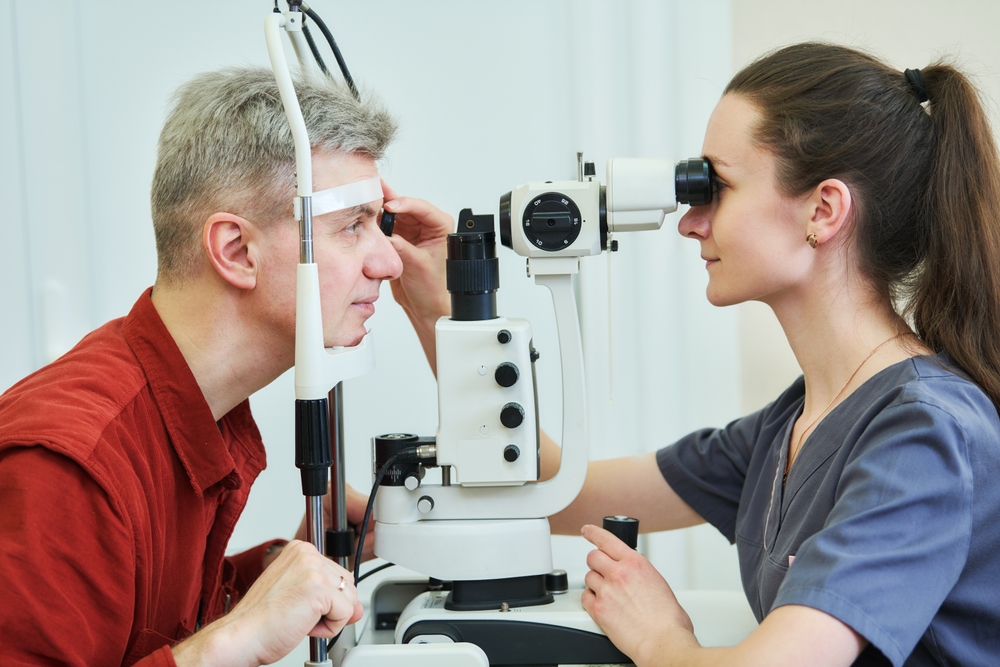
Even if your blood sugar is well-controlled and you feel no changes in your vision, an annual comprehensive dilated eye exam is essential for anyone with diabetes. During a dilated exam, your pupils are widened with eye drops so your doctor can see clearly into the back of your eye, examining the retina and optic nerve for early signs of bleeding, damage, or abnormal vessel growth.
This exam is the only reliable way to detect diabetic retinopathy before it progresses. Imaging tools like Optical Coherence Tomography (OCT) allow physicians to scan the retinal tissue in detail, identifying swelling or pathology that would be impossible to detect through symptoms alone. A visual acuity test is also performed to assess how well you’re currently seeing.
If you have diabetes, knowing when and how often to see an ophthalmologist versus an optometrist can help you structure your eye care. Depending on the stage of your eye disease and any other risk factors, your doctor may recommend more frequent visits than once a year.
What Treatment Looks Like When It’s Needed
When diabetic eye disease is caught at an early or moderate stage, treatment can slow or stop its progression. For macular edema, intravitreal injections, which deliver medication directly into the eye, are commonly used to reduce swelling and protect central vision. These may be anti-VEGF drugs or corticosteroids, depending on the patient’s situation.
Laser surgery is another option for more advanced retinopathy, helping to seal leaking blood vessels and reduce the growth of fragile new ones. It doesn’t reverse damage that has already occurred, but it can prevent further loss.
The earlier treatment begins, the more vision there is to preserve. That is why detection through regular exams matters so much: treatment works best when there is still healthy tissue to protect.
Concerned about how diabetes may be affecting your eyes? Schedule an appointment at Williamson Eye Center in Baton Rouge, LA.