
In many cases, the vision correction procedure most people have heard of isn’t always the one they end up having. It is common for young adults to arrive for their consultation at Williamson Eye Center asking about LASIK and leave with a plan for EVO ICL, a lens implant many of them had never considered before their consultation. For a lot of patients in their 20s and 30s, it turns out to be the better match.
Keep reading to find out why so many young patients are choosing EVO ICL and whether it could be the right fit for your eyes.
What EVO ICL Is and How It Differs From Laser Procedures
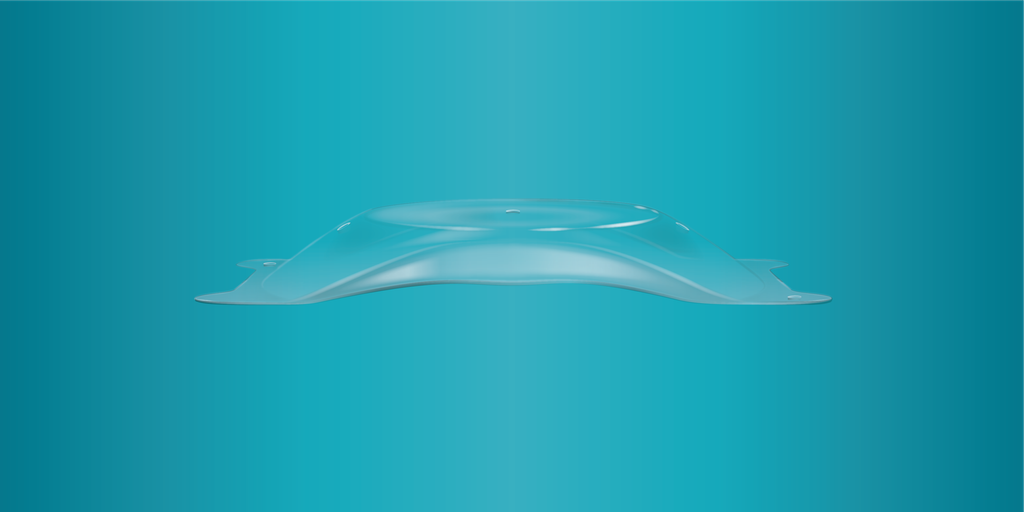
EVO ICL, short for Implantable Collamer Lens, is a thin, flexible lens that a surgeon places inside the eye, between the iris (the colored part of the eye) and the natural lens. It works to correct your vision, similar to a contact lens, but instead it is placed inside your eye. The lens is made from Collamer, a collagen-based material that is highly compatible with the body, so most patients cannot see or feel it once it is in place.
Laser procedures like LASIK and PRK correct vision by reshaping the cornea, the clear dome at the front of the eye, which removes a small amount of tissue in the process. EVO ICL takes the opposite approach by adding a corrective lens and leaving the cornea intact, a difference that begins to explain the reasons patients choose it.
The Reasons Young Adults Lean Toward EVO ICL
Several factors push patients toward EVO ICL, and many people have more than one of them.
Prescriptions Too High for LASIK
People who have been nearsighted since childhood often reach adulthood with strong prescriptions. Correcting high nearsightedness with a laser means removing more corneal tissue, and a surgeon can only remove so much before the cornea becomes unstable. EVO ICL can correct nearsightedness well beyond the range where LASIK performs best, and it can treat astigmatism at the same time. Many patients with higher prescriptions say their vision afterward looks sharper than it ever did with glasses or contacts.
Thin or Irregular Corneas
Some young adults learn during a LASIK screening that their corneas are too thin for laser surgery. Others show signs of an irregular corneal shape, which can impact their candidacy for refractive surgery. However, for some patients, since EVO ICL leaves the cornea untouched, corneal thickness becomes far less of a barrier, though patients with irregular corneas still need careful evaluation first.
Dry Eye From Screens and Contacts

Long hours on computers and phones, combined with years of contact lens wear, leave many young adults with dry eye. LASIK can temporarily worsen dryness because it cuts corneal nerves that help signal tear production. EVO ICL does not disrupt those nerves and has not been shown to cause or worsen dry eye, which makes it an appealing choice for anyone whose eyes already feel gritty or tired by the end of the day.
Flexibility for the Decades Ahead
A 25-year-old choosing vision correction is making a decision they will live with for a long time. Laser procedures are permanent, while an eye surgeon can remove or replace an EVO ICL if a patient’s needs change. People who like keeping their options open, especially as eye care technology continues to advance, often find that reassuring.
Vision Built for an Active Life
Young adults who play sports, hunt, fish, or spend weekends on the water appreciate that EVO ICL never slips out of place or gets lost the way contacts can. The lens also blocks ultraviolet light, adding protection for eyes that spend a lot of time outdoors, and many patients notice crisp night vision after the procedure.
When LASIK or PRK May Still Be the Better Fit
EVO ICL is not the best match for every young adult, and plenty of people in this age group are excellent LASIK candidates.
Someone with a mild to moderate prescription, healthy corneas, and no dryness often gets outstanding results from a laser procedure, along with a quick recovery and a lower price.
Some patients also fall somewhere in between. PRK, for example, removes tissue only from the surface of the cornea and can suit people who want laser correction but are not ideal LASIK candidates.
Williamson Eye Center offers several alternatives to LASIK so each patient can be matched with the procedure their eyes can best support.
Wondering if EVO ICL is the right fit for your eyes? Schedule an appointment at Williamson Eye Center in Baton Rouge, LA.