
Cataracts are not a question of if, but when. For most people, the changes are so gradual that they barely notice until cloudy vision begins to interfere with the things they enjoy: driving at night, reading, recognizing faces across a room. When surgery finally becomes necessary, many patients assume the decisions end there, but cataract surgery actually involves several choices, and the type of procedure is just one of them.
Keep reading to learn what laser cataract surgery is, how it works, and why so many patients are choosing it today.
How Traditional Cataract Surgery Works
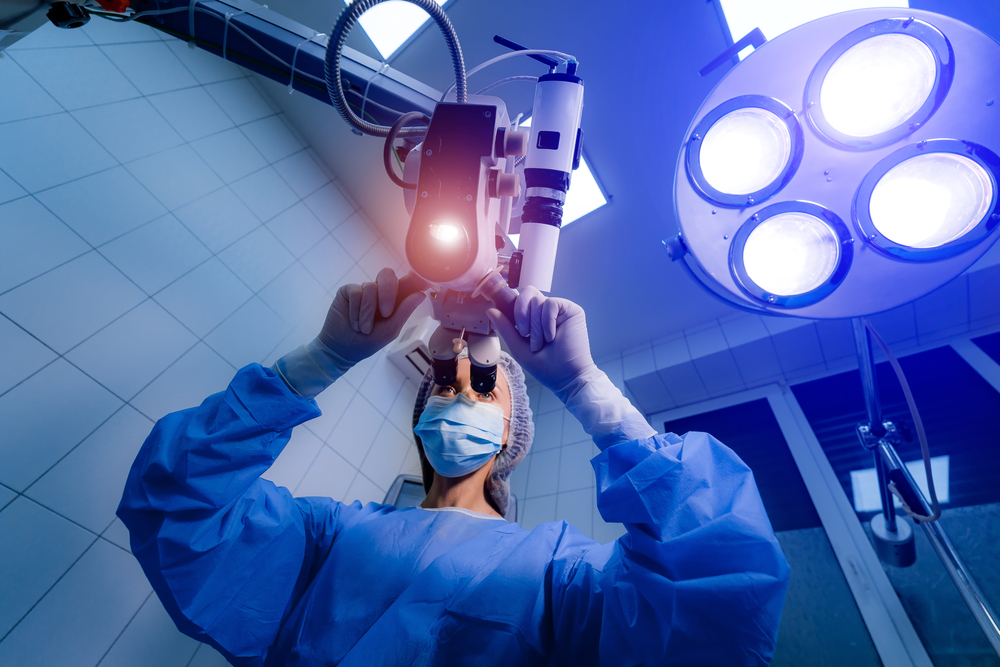
In traditional cataract surgery, a surgeon uses a handheld blade to create incisions in the eye and manually breaks up the cloudy lens using a technique called phacoemulsification. A small probe uses ultrasound energy to fragment the lens so it can be removed, and an artificial lens is then implanted in its place. This is a proven, effective procedure that restores functional vision for millions of patients every year.
But like any manually performed technique, its precision depends on human execution. Blade angle, incision depth, and the size and shape of the opening in the lens capsule can all vary slightly from case to case. These variables matter, especially when placing a premium lens implant that requires exact positioning to perform as intended.
What Makes Laser Cataract Surgery Different
Laser cataract surgery replaces the most technically demanding manual steps with a femtosecond laser, a technology that operates at extraordinary speed and precision.
Before surgery begins, the laser creates a detailed 3D map of your eye using CATALYS® imaging technology. That map becomes the blueprint for everything that follows.
The laser uses that information to create incisions with a level of accuracy that no handheld blade can consistently replicate. It opens the lens capsule with a perfectly circular cut, the kind of precise, repeatable opening that allows a surgeon to center and position a new lens implant exactly where it needs to be.
The laser also softens and fragments the cataract itself, requiring significantly less ultrasound energy to complete the removal. Less energy in the eye means less trauma to the surrounding tissue, which translates to a smoother, faster recovery.
The result is a procedure that is not just minimally invasive, but genuinely more precise at every step.
Choosing the Right Lens for Your Life
Another major decision that will significantly affect your vision results after cataract surgery is your lens choice. When the cloudy natural lens is removed, it is replaced with an intraocular lens, or IOL. The right IOL depends on your lifestyle, your vision goals, and the condition of your eyes.

- A standard monofocal lens restores vision at one distance, which means most patients still rely on glasses for reading and/or distance tasks.
- Advanced lens implants, often called lifestyle lenses, are designed to address a much wider range of vision needs.
- Toric IOLs correct astigmatism. Toric IOLs help patients reduce or eliminate the need for distance glasses.
- Multifocal and extended depth-of-focus lenses allow patients to see clearly at near, intermediate, and far distances, often reducing or eliminating the need for glasses entirely.
- Light Adjustable Lens, a premium IOL whose prescription can be fine-tuned with UV light treatments after surgery, once the eye has healed. The LAL is often a great options for patients with a history of previous eye surgery. Williamson Eye Center is the only practice in Louisiana offering this advanced option.
The precision of laser cataract surgery is what makes accurate lens placement possible, and accurate placement is what allows these advanced lenses to perform at their best.
What to Expect at Williamson Eye Center
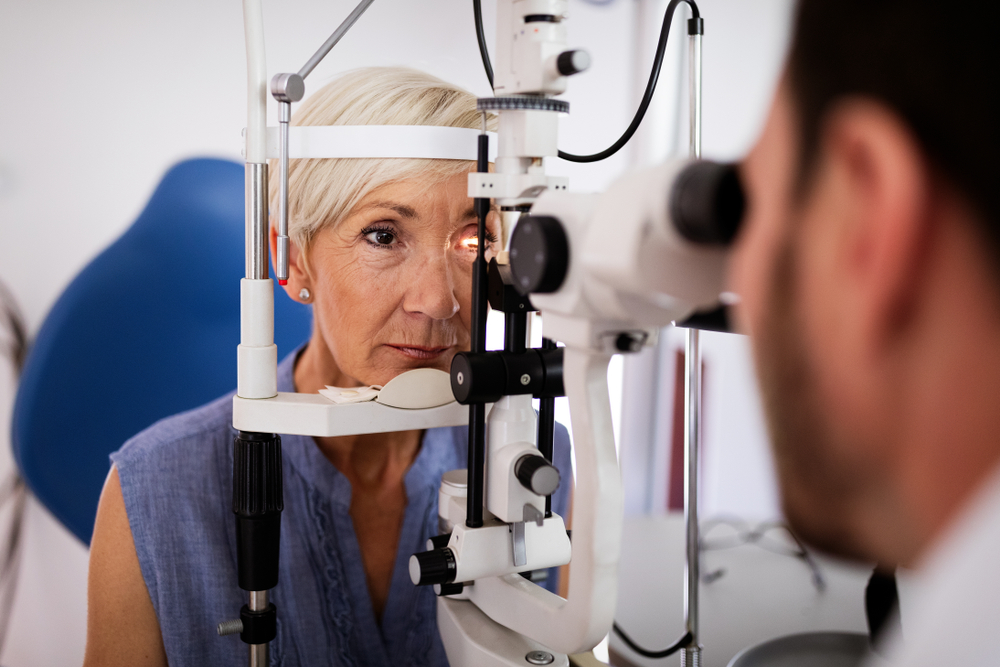
If you are experiencing symptoms that suggest cataracts, such as cloudy vision, increased glare, difficulty seeing at night, or frequent changes in your glasses prescription, the first step is a thorough evaluation. Cataract diagnosis requires nothing more than a comprehensive eye exam, and from there, your care team can walk you through your unique surgical options and lens choices.
The surgical team at Williamson Eye Center has performed thousands of procedures and has been recognized as one of the top in the United States. With locations across south Louisiana, including Baton Rouge, Denham Springs, Gonzales, Zachary, and New Roads, access to advanced cataract care is within reach.
Ready to find out if laser cataract surgery is right for you? Schedule an appointment at Williamson Eye Center in Baton Rouge, LA.