
Finding the right eye doctor can feel overwhelming when you’re facing vision concerns or need specialized eye care. With so many options available, how do you know which ophthalmologist in Baton Rouge will provide the expertise and personalized attention you deserve?
Your eyes are precious, and choosing the right specialist is an important decision that affects both your vision and overall quality of life. Keep reading to discover seven practical tips that will help you select the best ophthalmologist for your needs, giving you confidence as you take this important step toward better eye health.
1. Verify Credentials, Licensing, and Industry Leadership

When choosing an ophthalmologist, begin by confirming proper credentials and active board certification and/or state licensing. A licensed ophthalmologist has completed extensive education and clinical training to safely provide eye care, and licensing can be verified through your state medical board.
Advanced credentials such as participation in a specialty Fellowship training and FWCRS recognition in the World College of Refractive Surgery also indicate that a doctor is highly qualified and experienced and has a dedication to continued education and training.
It’s also wise to consider how engaged the doctor is within the ophthalmology community. Ophthalmologists who maintain best practices, teach other eye care professionals, and collaborate with surgeons nationally and internationally demonstrate a strong commitment to advancing patient care. This ongoing involvement helps ensure your treatment is informed by current techniques, real-world experience, and proven outcomes.
2. Consider Experience and Specialization
Ophthalmology includes many subspecialties, from cataract surgery to glaucoma management to retinal conditions. Some doctors focus on general eye care, while others specialize in specific areas.
Think about your particular needs when choosing an ophthalmologist in Baton Rouge. If you have cataracts, you’ll want someone with extensive experience in cataract surgery and one that offers advanced treatment options for cataract surgery. If you’re managing a chronic condition like diabetic retinopathy, seek out a specialist in that area.
Ask potential doctors about their areas of focus and how often they perform specific procedures. A surgeon who performs hundreds of cataract procedures each year will have refined skills and be confident in handling various complications.
The number and variety of cases a doctor has performed can also tell you a lot about their expertise. An ophthalmologist who has successfully treated thousands of patients similar to you brings valuable perspective and skill to your care.
3. Research Reputation and Patient Reviews
Patient reviews offer valuable insights into what it’s like to receive care from a particular ophthalmologist. Look for reviews on Google, Facebook, and other medical review sites. Pay attention to patterns in feedback rather than focusing on single reviews. Do multiple patients mention excellent communication? Do they feel their concerns were heard and addressed? Are they happy with their vision?
Positive feedback about staff friendliness or the thoroughness of the doctor’s explanations of diagnoses and treatment options suggests you’ll have a good overall experience. Red flags might include repeated complaints about outcomes, difficulty getting appointments, or poor follow-up care.
Keep in mind that even the best doctors may have a few negative reviews. What matters is the overall picture and how the practice responds to concerns. A thoughtful response to criticism can actually be a good sign, showing that the practice values patient satisfaction and continuous improvement.
4. Evaluate Technology and Treatment Options
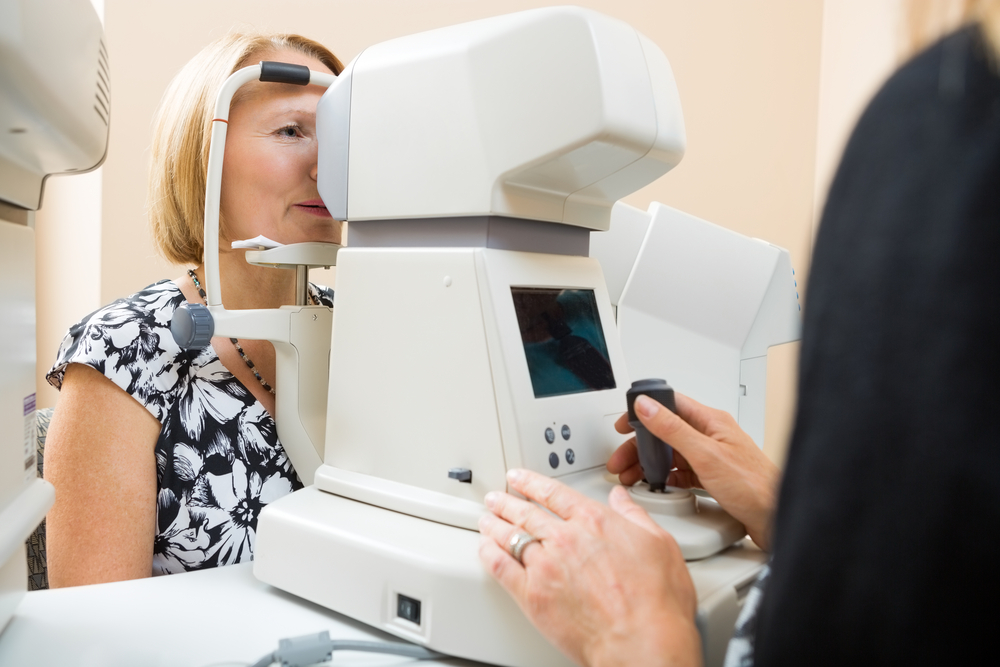
Modern eye care relies on advanced diagnostic equipment and treatment technologies. The best ophthalmologists invest in current tools that allow for more accurate diagnoses and better outcomes.
When you visit a practice, notice what kind of equipment they use. Digital imaging, OCT scans, and other advanced diagnostic tools can detect problems earlier and help your doctor monitor changes over time.
Treatment options matter too. An ophthalmologist who offers multiple approaches to managing your condition gives you choices and can tailor care to your specific situation. For example, if you need cataract surgery, having access to premium lens options and laser technology can enhance your results. Ask about the treatments available for your particular condition and whether the practice stays current with new options as they become available.
Technology alone doesn’t make a great doctor, but it’s an important tool that supports excellent care. A practice that invests in modern equipment shows commitment to providing patients with the best possible outcomes.
5. Assess Communication Style
The relationship you build with your eye doctor matters just as much as their technical skills. During your first visit, pay attention to how the ophthalmologist communicates. Do they take time to listen to your concerns? Do they explain things in ways you can understand, without using too much medical terminology? Can you ask questions without feeling rushed?
Good communication builds trust and helps you feel confident in your care decisions. Your ophthalmologist should welcome your questions and make sure you understand your diagnosis and treatment options before moving forward. If something isn’t clear, they should be willing to explain it again or in a different way until you feel comfortable.
6. Check Insurance Acceptance and Payment Options

Before scheduling an appointment, verify that the ophthalmologist accepts your insurance. Call your insurance company or the doctor’s office to confirm participation in your plan. Knowing your coverage helps you avoid unexpected bills and makes it easier to budget for your eye care.
Ask about costs for common procedures you might need, especially if you’re considering elective treatments that insurance may not cover. Many practices offer payment plans or financing options for procedures like premium cataract lenses or refractive surgery.
7. Consider Location and Office Convenience
Practical matters like location and office hours can affect your experience more than you might think. Choose an ophthalmologist with an office location that’s convenient for you to reach, especially if you’ll need regular appointments or follow-up visits. Consider traffic patterns, parking availability, and accessibility if you have mobility concerns.
Office hours matter too. Being able to get appointments that fit your schedule makes it easier to keep up with your eye care. Ask about how far in advance you need to book routine visits and how quickly they can see you for urgent concerns.
Your Vision Deserves the Best Care
Choosing the right ophthalmologist in Baton Rouge is an investment in your long-term vision health. Take time to research your options, verify credentials, and find a doctor whose expertise matches your needs. The right ophthalmologist will combine technical skill with excellent communication, making you feel confident and cared for at every appointment.
Are you ready to experience comprehensive, personalized eye care from a trusted specialist? Schedule a consultation at Williamson Eye in Baton Rouge, LA, today and take the first step toward protecting your vision for years to come.