
If you’re living with keratoconus, you may already know how frustrating it can be to deal with frequent prescription changes and gradually worsening vision. This progressive eye condition causes the cornea to weaken, thin, and bulge outward, making it increasingly difficult for glasses or contact lenses to provide clear, stable vision.
Corneal crosslinking offers an effective way to slow—or even stop—the progression of keratoconus. This minimally invasive procedure strengthens the cornea, helping preserve your vision and reduce the risk of more invasive treatments in the future.
Below, we explain how corneal crosslinking works, who benefits most, and what you can expect before and after treatment.
How Corneal Crosslinking Helps Stop Vision Loss

Keratoconus causes the cornea to gradually change shape, becoming cone-like rather than smooth and round. As this happens, light no longer focuses properly on the retina, leading to blurred, distorted vision that worsens over time.
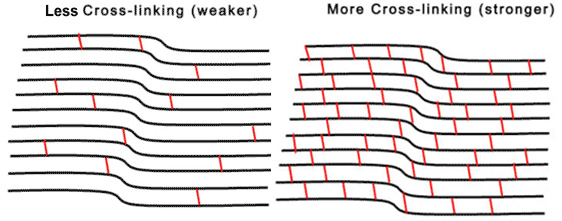
Corneal crosslinking works by strengthening the cornea from within. During the procedure, your ophthalmologist creates new chemical bonds between collagen fibers in the cornea. These bonds stiffen and stabilize the corneal structure, helping prevent further thinning and bulging.
While crosslinking does not reverse existing damage or restore the cornea to its original shape, it is highly effective at slowing or even halting disease progression. By stopping the cornea from changing shape, the procedure helps prevent ongoing vision loss and can reduce the likelihood of needing a corneal transplant later in life.
What Happens During the Corneal Crosslinking Procedure?
Corneal crosslinking is an outpatient procedure that typically takes 60 to 90 minutes. Here’s what to expect:
- Numbing eye drops are used to keep you comfortable
- The thin outer layer of the cornea (the epithelium) is gently removed to allow medication to penetrate
- Riboflavin (vitamin B2) eye drops are applied for about 30 minutes
- The eye is exposed to controlled ultraviolet (UV) light for another 30 minutes, activating the riboflavin and strengthening collagen fibers
- Antibiotic and steroid drops are applied, and the eye is patched to protect the eye during healing
Most patients return to normal daily activities within 1–2 weeks, although vision continues to stabilize over the next 2–3 months.
Will Corneal Crosslinking Improve My Vision?
The primary goal of corneal crosslinking is to stop your vision from getting worse, not to dramatically improve vision. The biggest benefit is preserving the vision you currently have.
Without treatment, keratoconus often continues to progress, making vision harder to correct and increasing the chance of needing surgical intervention. Crosslinking helps prevent this downward trend.
Even if your prescription doesn’t improve, having stable vision that no longer changes every few months can significantly improve daily life. Your ophthalmologist will discuss realistic expectations based on your specific condition.
Can Vision Still Change After Crosslinking?
Corneal crosslinking is highly effective at stopping keratoconus progression, and in most cases, the cornea remains stable for many years.
In rare situations, particularly in younger patients with more aggressive disease, very slow changes may continue over time. If this occurs, your ophthalmologist can monitor your condition and discuss whether additional treatment is needed.
Regular eye exams remain important after crosslinking to ensure your cornea stays stable and healthy.
Recovery After Corneal Crosslinking: What to Expect
Healing after corneal crosslinking follows a predictable timeline:

- First few days: Mild discomfort, light sensitivity, tearing, or a gritty sensation
- First week: Symptoms improve as the corneal surface heals
- First month: Vision may be blurry or fluctuate temporarily
- 2–3 months: Vision gradually stabilizes
Most patients can return to work and drive within one week, though swimming and heavy lifting should be avoided for about a month. Follow-up visits allow your ophthalmologist to track healing and adjust care as needed.
Who Is a Good Candidate for Corneal Crosslinking?
Corneal crosslinking is most effective for patients with progressive keratoconus, especially in the early to moderate stages.
You may be a good candidate if you have:
- Frequent prescription changes
- Worsening vision despite updated glasses or contacts
- Documented changes in corneal shape on imaging tests
Patients with very advanced keratoconus or extremely thin corneas may need alternative treatments, such as specialty contact lenses or corneal transplant surgery. A comprehensive eye exam will determine the best approach.
Preserve Your Vision With Expert Care in Baton Rouge
At Williamson Eye Center, our experienced ophthalmologists offer advanced corneal crosslinking treatment to help protect your vision from keratoconus-related vision loss.
Early treatment can prevent years of progressive changes and reduce the need for future surgery. If you’ve been diagnosed with keratoconus or notice worsening vision, schedule an evaluation at Williamson Eye Center in Baton Rouge, LA, to learn whether corneal crosslinking is right for you.